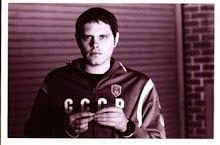
Pauline and Mavis, the Harper Collins PR girls assigned to my book, have chosen a party at Home House to introduce me to the publishing world. Their assistant, Lindsey, has been on the phone to me every day, and her excitement, unexpectedly, has rubbed off on me.
When I arrive at Portman Square, the black cabs and private cars are queuing to stop outside the velvet ropes. The passengers will only get out when their car is directly in front of the club steps and they will wait minutes to avoid walking twenty yards from further down the road. Suddenly I feel even more self-conscious than I was on the tube, sitting amongst the Saturday night indie kids and Goths in my wedding suit, complete with silver tie. I didn’t want to hire a tux.
The doorman looks at my ticket, then at me with a look that suggests we both know I’m a chancer. He gives the ticket back to me and steps aside with a wry smile. I thank him with indecent sincerity and finger the knot of my tie as I climb the steps where another bouncer opens a door for me. In my confusion, I pull my wallet out to tip him, then I pretend to put something in it and put it back in my pocket.
It is dark inside and suddenly I wish that I hadn’t told Cheryl that, despite my invitation clearly stating ‘Christopher Hardy + partner,’ that partners weren’t invited. I had imagined Californication-style adventures but I always forget that I am shy and boring and unpleasant, and therefore not casually prone to Californication-style adventures.
I think the party is a book launch for one of Harper Collins’ more successful authors, but as I take no interest in other authors or books, I found the information imparted to me by Lindsey and the invitation itself confusing.
I spot Pauline in a low-cut black dress that repulses me in a way that the artist in me finds tantalising. How can one woman stir my senses to such a degree? I cough politely and interrupt her conversation with a geriatric couple. When she turns to face me there is nowhere to rest my eyes that doesn’t hurt them. She does a double take, then a triple take. “Christopher? What are you doing here?”
I smile awkwardly. “It’s my coming out party.” She looks at me strangely, then notices the invitation still gripped in my hand. She takes it and actually reads my name out loud. “Lindsey is an idiot,” she tells me.
“I know. But specifically, what’s the problem?”
“This was meant for James Hardy, Harper’s new protégé. This was his chance to meet some of the most influential figures in the British literary world.”
I flush in the dark club. “Well, now it’s my chance to, like, do all that.”
Pauline is panicking, and pulls a mobile phone out of her clutch bag. “No offence, Christopher, but this isn’t really your market. James has written one of the books of the decade – I’m not kidding – and we need to start getting the word out.”
I scratch my head. “I’m trying not to take offence, but, just so I know, why exactly isn’t this my market? I mean, I’ve written a good novel, right?”
“Yes, of course, but...” She shakes her phone. “Damn it. I swear these things have something built into them to self-destruct after a year. Look, James’ book is a contemporary work of realistic fiction that will speak to a whole generation of hip young things and have reverberations way beyond that. We’re hoping for big sales in the US market.”
She calls a number and holds the phone to her ear. “Hip young things?” I ask, mockingly. “Sorry to break it to you, but this party looks like a hearing aid convention. Or a Stannah Stair lift appreciation club annual event.” The old couple were still standing by us, listening. I point at the woman. “Except you, love. You look great.”
Pauline leans into me and I shudder as her breath tickles my ear. “These are the people that can make or break his career.”
She runs away, then, gabbling to someone at the other end of her phone line.
“Really?” I say to myself. “What do you do?” I ask the old man.
“We’re retired,” he says.
“Then why are you here?”
“I’m the author’s brother.”
I tut and wave them away. Instinct draws me to a bar in a nearby room. Even the barman is wearing a tux. He looks at me, bored. “Free?” I ask him. He nods. “Make me a cocktail. Your choice.”
“What kind of cocktail?”
“Alcoholic.”
“Yes, but what kinds of alcohol?”
“Any kind. Honestly, pick them at random if you want. Just put a lot in.”
Reluctantly, he turns and busies himself with the bottles. Pauline finds me. She’s holding her phone by her side. “Well, James is in Edinburgh.”
“Tell him he’s not missing much.”
She ignores me. “Lisa Herling is going to be so pissed off.”
“Not if you just use me instead. I’m here and I’m eager.”
“Oh, Christopher. You’re putting me in a very difficult position.”
“I could be at home watching Curb Your Enthusiasm. I came because I was invited. Lindsey’s the one who fucked up.”
“Lindsey needn’t show up for work on Monday. I’m really sorry for her mistake, but would you mind awfully going home?”
“Can’t I just stay for a bit? I want to schmooze.”
“I don’t think schmoozing is your forte.”
“I can learn.”
She sighs. “Maybe just for a bit. But be good.”
“Of course.”
“Okay,” she says. The barman slides a huge pink cocktail over the bar and it slips perfectly into my open hand. She looks at it. “Jesus. Leave that here.”
I gulp down half of it. It is revolting. I gag, then recover and catch up to Pauline on a staircase. “I think there’re some NME writers up here,” she tells me, hurrying.
“Pauline!” someone shouts, a middle-aged man with a rubbish moustache.
She turns and they exchange heartfelt greetings. I stand and mug until my presence becomes so excruciating that Pauline is forced to introduce us. “Christopher, this is Sebastian Grant.”
“Really?” I say. “Sebastian Grant.” He nods as if to say, ‘Can you believe your luck?’ “And what do you do?”
His smile fades. “I’m a critic at the Literary Review.”
“Wow, that’s really cool,” I say, genuinely impressed. His smile returns. “I’m an author.”
“One of Pauline’s bright new things, eh?”
“I’m not sure,” I say, and we both turn to Pauline but she looks noncommittal, embarrassed even, and it makes me feel very small. Even so, I push on. “Perhaps she’ll be able to sweet talk you into a review in our industry’s bible,” I say, guessing.
“Maybe, maybe,” Sebastian plays along. “What kind of work do you do?”
“It’s sci-fi.”
“Oh.” His smile fades again, this time permanently. “I see.”
Pauline makes an effort. “Science fiction does receive some attention from the Lit Review.”
“I think there’s a chap that deals with that sort of thing. Strange lad.”
“Is he here tonight?”
“Hardly. I’m sure he’s at home playing on his computer.”
Pauline laughs too loudly. Someone grabs her, demanding her attention and she trots back down the stairs with the briefest of farewells. Sebastian follows her.
I make it to the top of the stairs. Most of the rooms are closed for refurbishment but there is what used to be a small smoking room where the cool crowd are assembled. I recognise a few of the NME writers from the indie circuit hanging out of a window smoking roll-ups. One of them told me them once told me that he’d married too young. But on nights out he’d always drive and he’d take his wedding ring off in the car. He’d tape it to the top of the gear stick so that no matter how drunk he got he’d always be reminded to put it back on before he got home to his wife. I told him that he should just get a divorce. I can’t see from here whether he is wearing the ring or not, but seeing as this is a night out, if he wasn’t then it wouldn’t mean anything anyway.
I start to approach them but then the prospect of the inevitable arguments about the appalling bands they pretend to like to sell newspapers depresses me and I float back down the stairs thinking ‘network, network.’
I grab a beer from the barman, ignoring the ridiculous cocktail still standing on the bar. The beer is just something to hang onto as I make the rounds; tonight is not the night to get drunk. Involuntarily I flash back to the night I got wasted in Battersea and then used my freelance pass to get into the QVC offices after-hours and I went around the desks of people I didn’t know with a pen and some Post-It notes and stuck ‘PIG’ over hundreds of photographs of their wives and daughters. That is the kind of night I should avoid.
I needn’t worry because I only last another few minutes. I walk around for awhile and there is no one to talk to. Finally two snooty women grab me at the foot of the stairs. They are laughing and are halfway through an ironic conversation about celebrity. “You’re young,” one of them observed.
“Compared to what?” I ask, looking around at the ancient crowd.
“What do you think of the Beckhams?”
“Not much,” I say.
“Who’s your favourite celebrity couple?”
“The McCanns,” I say.
They look, at me, a little shocked. “What do you do?” the other woman asks.
“I write novels.”
“What kind?”
“Sci-fi,” I say loudly. They actually turn their noses up at me and I smile and finish my beer and walk down the steps towards the tube, loosening my tie and trying to decide whether I want to go to Sci-fi conventions or do nothing and sell ten copies of the book and work in shopping telly for the rest of my life.
Sunday, 27 April 2008


Friday, 18 April 2008
"You're not crazy..."
I wake up with a start and the doctor and Cheryl are sitting either side of my bed, watching me without concern.
“How are the McCanns doing?” I blurt out.
Cheryl sighs. The doctor is taken aback. “Err…Very well, I think.”
“They did it, you know.”
“Did what?”
“They did it.”
“I’d be careful what you say,” the doctor warned me.
“They did it. They cleared their name.”
“Oh. I thought you were going to say that they murdered little Maddy.”
“No, of course not. Of course not.”
“No. Although I think that they murdered her,” the doctor says.
“Oh. That’s just your opinion, is it?”
“Yes. So that’s fine.”
“Doctor,” Cheryl begins. “I’ve got so much to do. Can we speed this up a little?”
I look at my wife and try to force a tear from one of my eyes. “Darling,” I say. “I know hospitals are boring and depressing but try to have some compassion.”
Cheryl squeezes my hand but her attempt at a smile looks more like a grimace. “I have had so much compassion, Christopher. I’m still trying, but…it’s been eight days now.”
“I had a nervous breakdown,” I say. “I’m sick.”
Cheryl can’t help herself shouting. “You didn’t have a nervous breakdown. You’re just a little stressed for Christ’s sake.” She recovers herself. “Sorry,” she says, but to the doctor, not me.
The doctor coughs. “I think what Mrs. Hardy is saying is that…well, beds in the psychiatric ward, as in any hospital facility, are scarce. We haven’t found any real…scientific evidence of mental unbalance, and perhaps you’re ready to face the world again, with all its trials and tribulations, in order to give someone else a chance at rehabilitation. Someone with more…pressing problems that require our attention.”
I look at him. “You’re saying that you couldn’t find anything wrong with me?”
“We’ve conducted many tests, Mr. Hardy, and as I say, no concrete evidence of psychological problems was detected.”
“A-ha!" I shout gleefully. "Got you!"
“Got me?”
“Some of the questions I deliberately gave crazy answers to,” I say, jabbing a finger in the air. “Anyone paying attention would have noticed that.”
“Perhaps what happened,” Cheryl offers, “is that you’re actually insane but in order to appear insane you inadvertently gave normal answers.”
“Oh God,” I say, suddenly panicked.
“No, no,” the doctor says. “Our tests tell us who’s genuinely disturbed. If someone answers every question with ‘rhubarb’ then the chances are he’s having a joke.”
“Hey, I only used ‘rhubarb’ two or three times,” I say.
“I don’t like to use the word ‘faker’ Mr. Hardy, but… The fact that you were deliberately trying to deceive us would suggest that you have a certain degree of self-awareness and that you’re playing a game.”
“Your hospital admitted me,” I say.
“Yes, I seem to recall you turning up at reception unannounced, demanding to be looked after.”
“Doctor, you placed me on suicide watch.”
“Again, at your insistence, Mr. Hardy. Most of the patients we treat here have severe psychological problems that potentially make them a threat to themselves or others. There’s a big difference between being clinically depressed and a bit fed up.”
“When I was young,” I say, “My family went on holidays to France and my dad used to place me in front of topless girls on the beach so that he could pretend to take a picture of me when in fact he was zooming in on naked women.”
“And you’re telling me this because...?”
“He never told me,” I say, looking downcast. “I looked through the albums and thought I was invisible to cameras for years.”
“Mr. Hardy…”
“My mum died,” I say. “My father left the family. Black Kids failed to crack the top ten.”
“Doctor,” Cheryl whispers. “Be firm.”
The doctor leans forward. “If I prescribe some pills, will you go home?”
“What colour are the pills?”
Annoyance flickers over the doctor’s face for the first time. “Beige.”
“Can I have pink ones?”
He looks at me for a long time. “Deal.” We shake hands. Cheryl lets out a long breath and she and the doctor stand up immediately. An orderly comes in and starts pulling the sheets out from under me.
“By the way,” the doctor calls from the doorway. “I was only joking about the McCanns. They’re clearly innocent and deserve all the money and support they’ve received. I just wanted to make that absolutely clear. Good afternoon.”
“How are the McCanns doing?” I blurt out.
Cheryl sighs. The doctor is taken aback. “Err…Very well, I think.”
“They did it, you know.”
“Did what?”
“They did it.”
“I’d be careful what you say,” the doctor warned me.
“They did it. They cleared their name.”
“Oh. I thought you were going to say that they murdered little Maddy.”
“No, of course not. Of course not.”
“No. Although I think that they murdered her,” the doctor says.
“Oh. That’s just your opinion, is it?”
“Yes. So that’s fine.”
“Doctor,” Cheryl begins. “I’ve got so much to do. Can we speed this up a little?”
I look at my wife and try to force a tear from one of my eyes. “Darling,” I say. “I know hospitals are boring and depressing but try to have some compassion.”
Cheryl squeezes my hand but her attempt at a smile looks more like a grimace. “I have had so much compassion, Christopher. I’m still trying, but…it’s been eight days now.”
“I had a nervous breakdown,” I say. “I’m sick.”
Cheryl can’t help herself shouting. “You didn’t have a nervous breakdown. You’re just a little stressed for Christ’s sake.” She recovers herself. “Sorry,” she says, but to the doctor, not me.
The doctor coughs. “I think what Mrs. Hardy is saying is that…well, beds in the psychiatric ward, as in any hospital facility, are scarce. We haven’t found any real…scientific evidence of mental unbalance, and perhaps you’re ready to face the world again, with all its trials and tribulations, in order to give someone else a chance at rehabilitation. Someone with more…pressing problems that require our attention.”
I look at him. “You’re saying that you couldn’t find anything wrong with me?”
“We’ve conducted many tests, Mr. Hardy, and as I say, no concrete evidence of psychological problems was detected.”
“A-ha!" I shout gleefully. "Got you!"
“Got me?”
“Some of the questions I deliberately gave crazy answers to,” I say, jabbing a finger in the air. “Anyone paying attention would have noticed that.”
“Perhaps what happened,” Cheryl offers, “is that you’re actually insane but in order to appear insane you inadvertently gave normal answers.”
“Oh God,” I say, suddenly panicked.
“No, no,” the doctor says. “Our tests tell us who’s genuinely disturbed. If someone answers every question with ‘rhubarb’ then the chances are he’s having a joke.”
“Hey, I only used ‘rhubarb’ two or three times,” I say.
“I don’t like to use the word ‘faker’ Mr. Hardy, but… The fact that you were deliberately trying to deceive us would suggest that you have a certain degree of self-awareness and that you’re playing a game.”
“Your hospital admitted me,” I say.
“Yes, I seem to recall you turning up at reception unannounced, demanding to be looked after.”
“Doctor, you placed me on suicide watch.”
“Again, at your insistence, Mr. Hardy. Most of the patients we treat here have severe psychological problems that potentially make them a threat to themselves or others. There’s a big difference between being clinically depressed and a bit fed up.”
“When I was young,” I say, “My family went on holidays to France and my dad used to place me in front of topless girls on the beach so that he could pretend to take a picture of me when in fact he was zooming in on naked women.”
“And you’re telling me this because...?”
“He never told me,” I say, looking downcast. “I looked through the albums and thought I was invisible to cameras for years.”
“Mr. Hardy…”
“My mum died,” I say. “My father left the family. Black Kids failed to crack the top ten.”
“Doctor,” Cheryl whispers. “Be firm.”
The doctor leans forward. “If I prescribe some pills, will you go home?”
“What colour are the pills?”
Annoyance flickers over the doctor’s face for the first time. “Beige.”
“Can I have pink ones?”
He looks at me for a long time. “Deal.” We shake hands. Cheryl lets out a long breath and she and the doctor stand up immediately. An orderly comes in and starts pulling the sheets out from under me.
“By the way,” the doctor calls from the doorway. “I was only joking about the McCanns. They’re clearly innocent and deserve all the money and support they’ve received. I just wanted to make that absolutely clear. Good afternoon.”
Wednesday, 9 April 2008
The Most Stressful Thing
This is the most stressful thing I have ever done.
I wake up in the middle of the night, hung-over (and probably still drunk, but who can tell when you’re mind is a mess?). I put some jogging trousers and trainers on and slip out of the house clutching a half-bottle of whiskey and a tennis racket. A few cars whiz past on Uxbridge Road and for some reason I am walking with them, sticking my fingers up at them when they beep me before remembering that I am in the wrong. I jog up to Ealing tennis club and easily scale their fence onto the grass courts. There are four balls in my racket bag and I attempt to serve them up the court, howling like a dog. No one comes to help. I miss every ball.
Then I walk for an hour and repeatedly run through the pathetic animal enclosure in Walpole Park. The foxes, already bemused about being caged up when their brethren run free around them in broad daylight, eye me with barely concealed boredom. Only when I grab the fence and snarl at them do they come to life and growl back. Eventually my voice is too croaky to continue and I leave them, running through the park screaming for attention.
In a residential street I try to break into cars but it isn’t as easy as on Grand Theft Auto. The cars are all locked and when I pick up a stone and smash a driver’s window, the keys aren’t in the ignition and I don’t know how to hot wire it. I sit in it for awhile, pretending to drive, but the steering wheel locks and I punch the dashboard a few times until my fist hurts.
Suddenly I come to the conclusion that an arrest would be good for my career. I walk up to houses pissing on their doorsteps, letting out a dribble on each one, but no one is awake. I jump on a bus and don’t pay. I stand right next to the driver and stare at him, issuing threats and ultimatums but he calmly drives on, ignoring me. He stops outside my house and I stand in front of the bus. I get tired first and instead I run to the police station in Acton and bang on the windows, shouting in mock-Arabic. It is closed.
“My novel is shit,” I shout at the only pedestrian I have seen.
“I know,” he replies and then there is nothing else to say.
It is like I always thought; I am having a nervous breakdown but no one has noticed.
I slip back into bed, finally tired. Cheryl stirs. “I can’t do this,” I tell her. “I’m a fraud.”
“Go to sleep,” she says. And I do, and in the morning, there are DVDs to watch and life carries on.
I wake up in the middle of the night, hung-over (and probably still drunk, but who can tell when you’re mind is a mess?). I put some jogging trousers and trainers on and slip out of the house clutching a half-bottle of whiskey and a tennis racket. A few cars whiz past on Uxbridge Road and for some reason I am walking with them, sticking my fingers up at them when they beep me before remembering that I am in the wrong. I jog up to Ealing tennis club and easily scale their fence onto the grass courts. There are four balls in my racket bag and I attempt to serve them up the court, howling like a dog. No one comes to help. I miss every ball.
Then I walk for an hour and repeatedly run through the pathetic animal enclosure in Walpole Park. The foxes, already bemused about being caged up when their brethren run free around them in broad daylight, eye me with barely concealed boredom. Only when I grab the fence and snarl at them do they come to life and growl back. Eventually my voice is too croaky to continue and I leave them, running through the park screaming for attention.
In a residential street I try to break into cars but it isn’t as easy as on Grand Theft Auto. The cars are all locked and when I pick up a stone and smash a driver’s window, the keys aren’t in the ignition and I don’t know how to hot wire it. I sit in it for awhile, pretending to drive, but the steering wheel locks and I punch the dashboard a few times until my fist hurts.
Suddenly I come to the conclusion that an arrest would be good for my career. I walk up to houses pissing on their doorsteps, letting out a dribble on each one, but no one is awake. I jump on a bus and don’t pay. I stand right next to the driver and stare at him, issuing threats and ultimatums but he calmly drives on, ignoring me. He stops outside my house and I stand in front of the bus. I get tired first and instead I run to the police station in Acton and bang on the windows, shouting in mock-Arabic. It is closed.
“My novel is shit,” I shout at the only pedestrian I have seen.
“I know,” he replies and then there is nothing else to say.
It is like I always thought; I am having a nervous breakdown but no one has noticed.
I slip back into bed, finally tired. Cheryl stirs. “I can’t do this,” I tell her. “I’m a fraud.”
“Go to sleep,” she says. And I do, and in the morning, there are DVDs to watch and life carries on.
Tuesday, 1 April 2008
My Offical Author Photograph Session
In order to celebrate the completion of Clear History, Harper Collins has booked me into a studio for my official author photograph session. I stand in the middle of the white room which is unnecessarily huge and evaluate the lighting setup. Then I remember that I am a terrible photographer and look away.
When I finally read Chris’ alterations to the manuscript I was impressed and even a little jealous. His word choice and sentence structuring injected the text with an exhilarating sense of urgency that got me excited reading my own book. I emailed him and suggested he take another pass at it. “Feel free to make as many changes as you like,” I wrote. “You’ve greatly improved chapter twelve but I still think you can make it even better. Perhaps you could expand upon the themes you’ve introduced in chapter twenty-eight to show how certain characters are affected. Also, don’t forget you always wanted to make Agent Beechill’s entrance more heroic.”
When he simply replied – almost immediately – with “I HOPE AND PRAY TO EVERYTHING THAT IS HOLY THAT YOU ARE FUCKING KIDDING ME” I wrote back refusing three of his word corrections that I picked arbitrarily from the text. I also pointed out a spelling mistake. He never got back to me and I discovered shortly afterwards that the spelling was, in fact, correct.
Still, the next day one of the PR crones called me to arrange this photo shoot. I asked them not to attend as I find their presence deeply upsetting. Since then their assistant has been dealing with me.
The photographer is ‘Beat’ Nishikori. The assistant who greets me and leads me to the studio tells me that he is one of the top ‘author portrait artists’ in the business. I ask what specific qualities an author photographer must possess compared to, say, a photographer who takes pictures of anybody else on Earth. She shrugs and says, “I’m still learning.”
Nishikori is a tall Japanese man who is wearing tight black jeans, a frilly white blouse and a pink rose. He barely touches my hand when we meet and calls me ‘Daaaarling.” He may be gay. “Call me Beat, please,” he begs me, but for some reason I call him Nish for the next hour. “You need some makeup!” he cries, pointing at a pretty girl in one corner of the room who waits for me with a small brush.
“I thought we might go for the natural look,” I say.
“You need makeup for a natural look!” he cries. I don’t like exclamation marks so just assume he cries everything from now on.
“I do have a spot,” I say. “Typical of one to come up today.”
He scrutinises me. “I don’t think makeup will cover that completely.”
I cover my chin. “Oh God. How bad is it?”
“It is a big lump.”
“Jesus.”
“The makeup cannot hide the shape. Unless we do latex.” I think he is joking. “I can do a bit of Photoshop, Christopher. It’s OK daaarling.”
The makeup girl – I don’t listen when she tells me her name – coats me with foundation. “I could have been a model,” I tell her.
“Really?” Her disbelief irritates me.
“Someone from Elite said I had an ‘Interesting face.’ She wanted to take a few test photos and I laughed at her. I was twenty-one, I had my whole life ahead of me. I thought I was going to be a famous film director. I could have been rich.”
“Probably not,” she says. Then, backtracking, “Only because it’s such a difficult business. I gave everything I had to modelling but I could never make the breakthrough. I came close…”
“Really?” I ask for revenge, then feel bad almost immediately.
“Still, you’re making something of yourself now, aren’t you?” she says. “A successful author…”
“Yes,” I agree. “Yes I am.” She is still working on my face. “Are you starting again?”
“I need slightly more makeup than I realised,” she tells me.
“Why? I’m only thirty-one.”
“Yes, but you’ve done some damage, haven’t you?”
“Have I?”
“You have a bright red nose and red cheeks from boozing but your eyes really stand out. You look like you’ve fallen asleep in the sun wearing sunglasses.”
We look at each other for a few seconds and I don’t feel bad for insulting her anymore.
I stand awkwardly in front of the camera while Nish coos orders at me, coaxing me to open up in some way I can’t grasp.
“You must relax, Christopher,” he tells me.
“Then stop shouting,” I shout, irritated.
“It is OK that you are not smiling,” he says. “The novel you have written is such a dark, intense work of art that I know it can only have come from a dark, intense person. You fascinate me.” The flash blinds me three times in quick succession.
“Is that was it says on the notes they sent you?” I ask, trying a variety of poses, none of which feel remotely relaxed.
“They sent me the book and I loved it,” he says.
“Yeah, right.”
“It is true. I always flick through the books but I read Clear History in two days.”
When the latest flash dissolves from my vision I look hard into his eyes. He is telling the truth. I call him Beat from that moment on. “Beat, I have my suspicions that my own wife has not read my book.”
“Not everyone can appreciate great art,” he claims.
“Well, thank you.”
“Now Christopher, will you work for me? I am getting the misery and pain loud and clear. Now I want to see some of the bitterness and loathing that will make this photograph sell to those horrible chain stores.”
“But you just made me happy.”
“Damn,” he says, firing off another few shots without looking through the viewfinder. “Quick, think about your mother’s funeral.”
“Well, it wasn’t great, but the Vol-au-vents at the wake were really nice.”
“Okay. Err…soon your wife will want babies and your life will be ruined.”
“Getting there.”
“You have a shift at Bid TV tomorrow.”
“Okay, let’s try now.”
Beat keeps snapping away and I bring everything I can to the event but still he is unsatisfied. “What else can I do to help you?” he asks. “Anything you want, just name it.”
“We’re standing in a cold sterile white studio,” I say. “There’s an unnecessary amount of people standing around.”
“What do you want to do?”
“There’s a little river out there called the Thames. It’s a cold cloudy day. The river is dark and dirty and full of romance. The bridges are old and huge and imposing. A man in a suit with no tie in London in late March leaning on the embankment in black and white while pretty tourists flit by, ignoring him…”
“Sounds perfect,” he screams and then just he and I run outside and create beautiful pictures on the north bank of the Thames, Beat with two cameras and a flash and an imagination. When he stops talking the mood creates itself and silently, eye-fucking the camera, I finally give him what he needs and another slot in the puzzle is filled.
When I finally read Chris’ alterations to the manuscript I was impressed and even a little jealous. His word choice and sentence structuring injected the text with an exhilarating sense of urgency that got me excited reading my own book. I emailed him and suggested he take another pass at it. “Feel free to make as many changes as you like,” I wrote. “You’ve greatly improved chapter twelve but I still think you can make it even better. Perhaps you could expand upon the themes you’ve introduced in chapter twenty-eight to show how certain characters are affected. Also, don’t forget you always wanted to make Agent Beechill’s entrance more heroic.”
When he simply replied – almost immediately – with “I HOPE AND PRAY TO EVERYTHING THAT IS HOLY THAT YOU ARE FUCKING KIDDING ME” I wrote back refusing three of his word corrections that I picked arbitrarily from the text. I also pointed out a spelling mistake. He never got back to me and I discovered shortly afterwards that the spelling was, in fact, correct.
Still, the next day one of the PR crones called me to arrange this photo shoot. I asked them not to attend as I find their presence deeply upsetting. Since then their assistant has been dealing with me.
The photographer is ‘Beat’ Nishikori. The assistant who greets me and leads me to the studio tells me that he is one of the top ‘author portrait artists’ in the business. I ask what specific qualities an author photographer must possess compared to, say, a photographer who takes pictures of anybody else on Earth. She shrugs and says, “I’m still learning.”
Nishikori is a tall Japanese man who is wearing tight black jeans, a frilly white blouse and a pink rose. He barely touches my hand when we meet and calls me ‘Daaaarling.” He may be gay. “Call me Beat, please,” he begs me, but for some reason I call him Nish for the next hour. “You need some makeup!” he cries, pointing at a pretty girl in one corner of the room who waits for me with a small brush.
“I thought we might go for the natural look,” I say.
“You need makeup for a natural look!” he cries. I don’t like exclamation marks so just assume he cries everything from now on.
“I do have a spot,” I say. “Typical of one to come up today.”
He scrutinises me. “I don’t think makeup will cover that completely.”
I cover my chin. “Oh God. How bad is it?”
“It is a big lump.”
“Jesus.”
“The makeup cannot hide the shape. Unless we do latex.” I think he is joking. “I can do a bit of Photoshop, Christopher. It’s OK daaarling.”
The makeup girl – I don’t listen when she tells me her name – coats me with foundation. “I could have been a model,” I tell her.
“Really?” Her disbelief irritates me.
“Someone from Elite said I had an ‘Interesting face.’ She wanted to take a few test photos and I laughed at her. I was twenty-one, I had my whole life ahead of me. I thought I was going to be a famous film director. I could have been rich.”
“Probably not,” she says. Then, backtracking, “Only because it’s such a difficult business. I gave everything I had to modelling but I could never make the breakthrough. I came close…”
“Really?” I ask for revenge, then feel bad almost immediately.
“Still, you’re making something of yourself now, aren’t you?” she says. “A successful author…”
“Yes,” I agree. “Yes I am.” She is still working on my face. “Are you starting again?”
“I need slightly more makeup than I realised,” she tells me.
“Why? I’m only thirty-one.”
“Yes, but you’ve done some damage, haven’t you?”
“Have I?”
“You have a bright red nose and red cheeks from boozing but your eyes really stand out. You look like you’ve fallen asleep in the sun wearing sunglasses.”
We look at each other for a few seconds and I don’t feel bad for insulting her anymore.
I stand awkwardly in front of the camera while Nish coos orders at me, coaxing me to open up in some way I can’t grasp.
“You must relax, Christopher,” he tells me.
“Then stop shouting,” I shout, irritated.
“It is OK that you are not smiling,” he says. “The novel you have written is such a dark, intense work of art that I know it can only have come from a dark, intense person. You fascinate me.” The flash blinds me three times in quick succession.
“Is that was it says on the notes they sent you?” I ask, trying a variety of poses, none of which feel remotely relaxed.
“They sent me the book and I loved it,” he says.
“Yeah, right.”
“It is true. I always flick through the books but I read Clear History in two days.”
When the latest flash dissolves from my vision I look hard into his eyes. He is telling the truth. I call him Beat from that moment on. “Beat, I have my suspicions that my own wife has not read my book.”
“Not everyone can appreciate great art,” he claims.
“Well, thank you.”
“Now Christopher, will you work for me? I am getting the misery and pain loud and clear. Now I want to see some of the bitterness and loathing that will make this photograph sell to those horrible chain stores.”
“But you just made me happy.”
“Damn,” he says, firing off another few shots without looking through the viewfinder. “Quick, think about your mother’s funeral.”
“Well, it wasn’t great, but the Vol-au-vents at the wake were really nice.”
“Okay. Err…soon your wife will want babies and your life will be ruined.”
“Getting there.”
“You have a shift at Bid TV tomorrow.”
“Okay, let’s try now.”
Beat keeps snapping away and I bring everything I can to the event but still he is unsatisfied. “What else can I do to help you?” he asks. “Anything you want, just name it.”
“We’re standing in a cold sterile white studio,” I say. “There’s an unnecessary amount of people standing around.”
“What do you want to do?”
“There’s a little river out there called the Thames. It’s a cold cloudy day. The river is dark and dirty and full of romance. The bridges are old and huge and imposing. A man in a suit with no tie in London in late March leaning on the embankment in black and white while pretty tourists flit by, ignoring him…”
“Sounds perfect,” he screams and then just he and I run outside and create beautiful pictures on the north bank of the Thames, Beat with two cameras and a flash and an imagination. When he stops talking the mood creates itself and silently, eye-fucking the camera, I finally give him what he needs and another slot in the puzzle is filled.
Friday, 21 March 2008
A tri-force of unstoppable ferocity
My editor, Chris and my agent, Sid are waiting for me when I arrive in the coffee shop. I thought I was on time but when I look at my watch I see that I’m not.
Sid looks absurdly happy to see me and it touches something in me and I hold out my hands in an exaggerated greeting. “Hey!” I say. “Dudes!”
Sid gives me a high-five while Chris nods his head and forces a smile. “Christopher,” he says.
I sit down on a wooden chair, keeping up an absurd air of frivolity. “Isn’t it a great morning? Sid, it’s good to see you, but I told you, you don’t need to come to these little meetings.”
“You’re my client. It’s my job.”
“Still, there’s no real need for you to be here.”
“I had nothing better to do,” he says, and my smile drops a little because he isn’t joking.
“Shall we order a drink?” I suggest.
“Good idea,” Chris says. He attracts the waitress’s attention and squints at the blackboard. “This menu is confusing.”
“I know,” Sid agrees. “I don’t trust anything but Starbucks or Costa Coffee now.”
“You know where you are with them,” Chris says.
The waitress arrives with a pad and a pen. “Good morning. What can I get for you?”
“I’ll have a Cappuccino,” Chris says.
“A Mocha for me please,” Sid says.
“And for you, sir?” she asks me.
“I’ll just have a Scotch on the rocks, please.”
She looks at me uncertainly. “Um…we don’t have any alcohol, I’m afraid.”
“Damn,” I say. “I’ll settle for a beer, then.”
“No, we don’t have any alcoholic drinks here.”
“What?”
“This is a coffee shop,” Chris says, unable to hide his disgust.
“I don’t drink coffee,” I whine. There’s an uncomfortable silence which I fill when it seems no one else will. “A tea then, please.” The waitress nods and moves away. “A double,” I call after her. She ignores me.
My mood has darkened. Chris looks at his watch. “Well, really I just wanted to try and close the book on the book,” he says. I can tell he usually uses this as a joke but with me there is no humour. “Have you gone through the final corrections?”
“Hey!” I say to Sid, suddenly remembering. “Are you still seeing that girl from Hore’s?”
“No.” He looks miserable. “Things didn’t quite work out there.”
“That’s too bad.”
“In fact, she changed her mind before we even got back to my flat. It was a frustrating evening.”
“You told me you’d been on a few dates. You told me she’d met your mother.”
He shrugs. “Well, I was embarrassed.”
“And now?”
“Just a bit angry.”
Chris cuts in. “Do you think you two can discuss your love life afterwards? This is actually a business meeting and I do have a lot to get through today. I chose this place because you’re always so glazed over in my office. But it should still be semi-formal.”
“I don’t have a love life,” I tell him. “I’m married.”
Sid laughs which makes me laugh. The drinks arrive in china cups. Chris and Sid’s come with a free mini-shortbread but mine doesn’t which makes me slightly sad.
“Anyway,” Chris tries again. “I’ve done all the work and I’ve sent it over to you and now I just need you to sign off on it and we’ll be done.”
“You should come out with us,” Sid tells Chris. “I think together we’ll make a tri-force of unstoppable ferocity.”
“I’m married,” Chris says, and Sid shrugs. Chris turns back to me, impatient. “Why have you not finished it yet?”
“My computer was running slow,” I say, “And I thought it might have a virus. I downloaded some anti-viral software, and that turned out to be a virus. It’s been a frustrating two weeks.”
“Look,” Chris says, “I can assure you it’s all in order. Just sign off and we can put it to bed.”
“I can’t do that. I have to read it. When I find grammatical errors in books I find it really alienating.”
“OK. A, there will be a separate final check before it goes to print, B I am a damn good editor. This isn’t a rock biography. This is a novel and I respect novels and you can trust me just a little bit.”
“It’s not a trust thing,” I say. “I just need to do it myself. I’ll do it in the next few days.”
“The board likes to know everything is running to schedule.”
Sid took a sip of his coffee. “The book isn’t out for six months. Can’t the board just relax?”
“No, the board can’t ‘just relax’! They get nervous and jumpy with me.”
“I’ll get it done,” I assure him again.
He puts his head in his hands. “I just want it to be over. I’ve spent a disproportionate amount of my time on this project, you know.”
“Sorry,” I say genuinely.
“And it’s still not as good as it could have been. I’m used to debut novelists being precious and argumentative about the changes I suggest but you just ignored them all. I tell you, you’re lucky Harper Collins didn’t drop the project citing breach of contract.”
“I would never have let that happen,” Sid says, and Chris and I suppress smirks.
“It’s still a sci-fi novel, though. Or is it?” I ask, suddenly excited.
“Yes, it’s still sci-fi,” Chris assures me.
“Oh,” I say. “Well, you should like it then.”
“But I’m not a sci-fi editor,” Chris tells me.
“I’m confused.”
“Bradley had too much on and sometimes we have to cover each other. I drew the short straw.”
“This isn’t what Christopher needs to hear,” Sid says.
“Oh I don’t care anymore,” I say. “No one’s got behind me on this thing.”
“We are behind you, Christopher,” Chris sighs.
“Remember,” Sid tells me, “You’re having a novel published by a major company. Now we’ve got to go out there and sell it.”
“Well, first you’ve got to finish it,” Chris reminds me.
I feel low and ungrateful, which makes me feel lower, and because of this I imagine that something more positive will come out of the meeting and that we will part with hugs and apologies and platitudes such as ‘I really do respect you as an artist’, but in reality, Chris gets up without finishing his drink to get back to his office and I have to make my excuses to Sid to avoid spending the rest of the day with him.
At home, I watch Bid TV for a few minutes which motivates me to start reading through the final draft.
Sid looks absurdly happy to see me and it touches something in me and I hold out my hands in an exaggerated greeting. “Hey!” I say. “Dudes!”
Sid gives me a high-five while Chris nods his head and forces a smile. “Christopher,” he says.
I sit down on a wooden chair, keeping up an absurd air of frivolity. “Isn’t it a great morning? Sid, it’s good to see you, but I told you, you don’t need to come to these little meetings.”
“You’re my client. It’s my job.”
“Still, there’s no real need for you to be here.”
“I had nothing better to do,” he says, and my smile drops a little because he isn’t joking.
“Shall we order a drink?” I suggest.
“Good idea,” Chris says. He attracts the waitress’s attention and squints at the blackboard. “This menu is confusing.”
“I know,” Sid agrees. “I don’t trust anything but Starbucks or Costa Coffee now.”
“You know where you are with them,” Chris says.
The waitress arrives with a pad and a pen. “Good morning. What can I get for you?”
“I’ll have a Cappuccino,” Chris says.
“A Mocha for me please,” Sid says.
“And for you, sir?” she asks me.
“I’ll just have a Scotch on the rocks, please.”
She looks at me uncertainly. “Um…we don’t have any alcohol, I’m afraid.”
“Damn,” I say. “I’ll settle for a beer, then.”
“No, we don’t have any alcoholic drinks here.”
“What?”
“This is a coffee shop,” Chris says, unable to hide his disgust.
“I don’t drink coffee,” I whine. There’s an uncomfortable silence which I fill when it seems no one else will. “A tea then, please.” The waitress nods and moves away. “A double,” I call after her. She ignores me.
My mood has darkened. Chris looks at his watch. “Well, really I just wanted to try and close the book on the book,” he says. I can tell he usually uses this as a joke but with me there is no humour. “Have you gone through the final corrections?”
“Hey!” I say to Sid, suddenly remembering. “Are you still seeing that girl from Hore’s?”
“No.” He looks miserable. “Things didn’t quite work out there.”
“That’s too bad.”
“In fact, she changed her mind before we even got back to my flat. It was a frustrating evening.”
“You told me you’d been on a few dates. You told me she’d met your mother.”
He shrugs. “Well, I was embarrassed.”
“And now?”
“Just a bit angry.”
Chris cuts in. “Do you think you two can discuss your love life afterwards? This is actually a business meeting and I do have a lot to get through today. I chose this place because you’re always so glazed over in my office. But it should still be semi-formal.”
“I don’t have a love life,” I tell him. “I’m married.”
Sid laughs which makes me laugh. The drinks arrive in china cups. Chris and Sid’s come with a free mini-shortbread but mine doesn’t which makes me slightly sad.
“Anyway,” Chris tries again. “I’ve done all the work and I’ve sent it over to you and now I just need you to sign off on it and we’ll be done.”
“You should come out with us,” Sid tells Chris. “I think together we’ll make a tri-force of unstoppable ferocity.”
“I’m married,” Chris says, and Sid shrugs. Chris turns back to me, impatient. “Why have you not finished it yet?”
“My computer was running slow,” I say, “And I thought it might have a virus. I downloaded some anti-viral software, and that turned out to be a virus. It’s been a frustrating two weeks.”
“Look,” Chris says, “I can assure you it’s all in order. Just sign off and we can put it to bed.”
“I can’t do that. I have to read it. When I find grammatical errors in books I find it really alienating.”
“OK. A, there will be a separate final check before it goes to print, B I am a damn good editor. This isn’t a rock biography. This is a novel and I respect novels and you can trust me just a little bit.”
“It’s not a trust thing,” I say. “I just need to do it myself. I’ll do it in the next few days.”
“The board likes to know everything is running to schedule.”
Sid took a sip of his coffee. “The book isn’t out for six months. Can’t the board just relax?”
“No, the board can’t ‘just relax’! They get nervous and jumpy with me.”
“I’ll get it done,” I assure him again.
He puts his head in his hands. “I just want it to be over. I’ve spent a disproportionate amount of my time on this project, you know.”
“Sorry,” I say genuinely.
“And it’s still not as good as it could have been. I’m used to debut novelists being precious and argumentative about the changes I suggest but you just ignored them all. I tell you, you’re lucky Harper Collins didn’t drop the project citing breach of contract.”
“I would never have let that happen,” Sid says, and Chris and I suppress smirks.
“It’s still a sci-fi novel, though. Or is it?” I ask, suddenly excited.
“Yes, it’s still sci-fi,” Chris assures me.
“Oh,” I say. “Well, you should like it then.”
“But I’m not a sci-fi editor,” Chris tells me.
“I’m confused.”
“Bradley had too much on and sometimes we have to cover each other. I drew the short straw.”
“This isn’t what Christopher needs to hear,” Sid says.
“Oh I don’t care anymore,” I say. “No one’s got behind me on this thing.”
“We are behind you, Christopher,” Chris sighs.
“Remember,” Sid tells me, “You’re having a novel published by a major company. Now we’ve got to go out there and sell it.”
“Well, first you’ve got to finish it,” Chris reminds me.
I feel low and ungrateful, which makes me feel lower, and because of this I imagine that something more positive will come out of the meeting and that we will part with hugs and apologies and platitudes such as ‘I really do respect you as an artist’, but in reality, Chris gets up without finishing his drink to get back to his office and I have to make my excuses to Sid to avoid spending the rest of the day with him.
At home, I watch Bid TV for a few minutes which motivates me to start reading through the final draft.
Tuesday, 11 March 2008
Late Shift At Bid TV
I walk into the Sit-Up production offices at 3pm and immediately the sense of dread kicks in. The faces on the crew tonight – directors, producers, presenters, floor managers, sound and camera operators – are all familiar but none are welcoming. After three years as a freelance camera operator here, I have failed to make any kind of significant connection with any of them. The meeting is already underway, and I sit apart from the others, too apathetic to show any interest in the information being imparted, nodding at a few of the people who look my way. The gesture is not returned.
The head cameraman, for reasons I cannot fathom, has a soft spot for me, and so the phone calls continue and I drive the two miles into Acton and do my mini tours of duty.
Peter Simon is holding forth at the meeting, gently complaining about the colour of the jewellery displays. “I know I say this almost every day,” he is saying, “But, well, it never seems to change. If we’re selling gold or silver coloured rings and bracelets, it just doesn’t make any sense to me to have yellow or white backgrounds. I mean, it doesn’t show up. We need brightly coloured backgrounds, like red or blue. That way, the jewellery shows up. I mean, am I wrong? Sometimes I feel like no one listens in this place. The problem with the yellow and white backgrounds is that the gold and silver doesn’t show up…”
He continues but I tune him out and read a book, putting my feet up on someone’s desk, not caring whose. Twenty minutes later on the way out, Simon stops on his way to make-up and hits me on the shoulder. “’Ey,” he says, taking an interest in something I wish he wouldn’t. “Not long now, surely?”
“Well, still a good seven months away unfortunately.”
“Why does it take so long?” he asks rhetorically. “’Ere,” he says, tapping my shoulder again, “Someone should write a bloody book about this place.”
“Well, if I could find a way of setting it in the future with Cyborgs and laser guns, maybe my publishers would let me.”
Peter Simon nods uncertainly, not getting me. “Well,” he says, “Good luck ‘ey?” And he bounds off, beaming.
In the Bid TV studio, I walk up to one of the two camera operators being relieved. “Alright?” I say.
“Alright,” he says back, and gives me his headset. There is nothing else to say. I put my hands on the camera and perform a long, slow tilt down a necklace. Almost immediately a vague sense of panic sets in. I have ten hours of work to come, seven hours of which will be spent on camera. I’ll never be able to think of seven hours of shots, I think. I will go mad, I imagine. Time stretches and stops here, I know.
But I manage two shots, then a third, and a forth and that is how time is marked; shot by shot, product by product, hour by hour. The music begins to nag at my senses after ten minutes, the endless repetition of a mindless, inoffensive ditty that is barely noticed by the viewer but that on one side of the studio, the one with the ‘speaker, is almost unbearably loud.
I’ve been lucky with the director. He is one of the one’s who doesn’t care, who doesn’t take it seriously, who understands that it’s just shopping telly. The other cam op is OK too, someone who I can say stupid stuff to when I’m going crazy and who’ll play along. He’s on Camera 2 at the moment, the one where you get a bit of respite, and he saunters over to me while he has a moment, nodding hello.
“I don’t think I can do this,” I tell him. “I might go home. I’m going to walk out and go home and just not spend money anymore.”
He smiles. He can empathise. Morale is low here. Three months is the point where new recruits are ground down and earn their thousand-yard-stare. Michael has been here for over a year. He is entering the stage known as acceptance. “I thought you were going to be some big-shot author,” he says and I grimace. “Shouldn’t you be rolling in it?”
“Only a small number of authors manage to earn a living from fiction alone,” I tell him. “One has to regard it as a very time consuming hobby.”
“So no one bought your book then?”
“It’s not out ‘till October. How can you not know this? Are you not going to buy it?”
“I’m not much of a reader,” he says, and walks back to his camera.
After only half an hour an ache creeps into my calves and feet. This is a bad sign.
After an hour we swap and I get onto camera 2. I walk up to the assistant presenter (formerly known as model). She is a cute blond called Laura but she arouses nothing in me. When I first started here, the models got me through the day; a cavalcade of gorgeous ditsy girls with tits spilling out of their outfits, casually adjusted every time the camera was about to swing their way. Even in the darkest depths of a twelve-hour mid-shift, all it took was a quick glance to spark off dirty fantasies involving one or more of them; chance meetings in the dark studio after-hours leading to quick, frantic sex on the patch of carpet Andy Hodgson uses to demonstrate the suction power of vacuum cleaners, or a weekend away on a promo shoot where, over a few drinks, sad stories of useless boyfriends are told and then tears are mopped up and forgotten with, well, quick, frantic sex. For a long time though (and even before their uniform was changed from tight revealing shirts to more conservative, tasteful tops), the crushing weight of working here overwhelmed any vague hopes of sexual possibility. Now they are as much a symbol of tedious grind as the wall-mounted signs displaying suggestions/orders such as ‘Smile! Happiness! Engage! Sell!’.
“How’s your blog coming?” Laura asks me.
“It’s OK,” I say, surprised and pleased she cares.
“I keep meaning to check it out,” she says. “Write down the address again for me.”
“That would be a waste of paper and ink,” I say, and she doesn’t bother to deny it, or perhaps understand it.
“Your book must be coming out soon.”
I swallow a scream. “Not ‘till October.”
She claps her hands together. “Exciting! Have you read Jordan, sorry Katie Price’s new one?”
“No, it’s on my wish list though.”
“She’s like, my idol. She’s so amazing.”
I nod, because there is really nothing else I can think of to do.
On my first break, predictably, I’m at the pub writing the outline of my second novel, sitting outside to avoid the dance music even though it is dark and windy and I have to weigh the pages down with my pint. This is the high point of my day.
The second part of my shift, for which I switch to Price-Drop TV, is utterly inconsequential, although marred by a director who, for Christ’s sake, cares, and who asks for special moves and peers through the window from the gallery to make sure we aren’t talking to each other, presumably because his own life is so empty and devoid of joy that he can’t stand the thought of anyone being anything but entirely unhappy.
After my second break spent at the pub, the beginning of the final part of the shift in Bid goes relatively quickly, and the possibility that this day might actually draw to an end seems within the realm of feasibility. But, naturally, when it comes to midnight, the final depression sets in and the shittiest products of all are dragged out for painfully slow flogging. No matter how many times Peter Simon stops the music to inform us gravely that the price has gone far below anything they could have expected, people just aren’t buying. What depresses me more than anything is that for all his humour and generosity, Simon cares about what he is doing. He asks the producers about targets and revenue and wants to do better. I want that spirit, that desire to make the company paying me to do better. But I will never have it because if the company makes an extra ten thousand pounds, what’s in it for me? Why should I want be part of a team that makes its employers richer while my wage stays the same?
Finally, at 1am, we can turn the cameras off and go home. My legs are screaming in pain, and this is why I don’t walk to work, because the walk home would be unbearable. I try to slip into bed without waking Cheryl but she rolls towards me and immediately remembers where I’ve been. She puts her hand on my chest. “Never mind,” she says as I lie stiffly on my back and stare at the ceiling, trying to convince my body that the suffering is over for another day. “Soon you’ll be famous and rich and this will all be a distant recollection for your autobiography.”
She has hope, which is enviable, but I stare at that ceiling and I think about the near-certainty of working in shopping telly for the rest of my life and it terrifies me.
The head cameraman, for reasons I cannot fathom, has a soft spot for me, and so the phone calls continue and I drive the two miles into Acton and do my mini tours of duty.
Peter Simon is holding forth at the meeting, gently complaining about the colour of the jewellery displays. “I know I say this almost every day,” he is saying, “But, well, it never seems to change. If we’re selling gold or silver coloured rings and bracelets, it just doesn’t make any sense to me to have yellow or white backgrounds. I mean, it doesn’t show up. We need brightly coloured backgrounds, like red or blue. That way, the jewellery shows up. I mean, am I wrong? Sometimes I feel like no one listens in this place. The problem with the yellow and white backgrounds is that the gold and silver doesn’t show up…”
He continues but I tune him out and read a book, putting my feet up on someone’s desk, not caring whose. Twenty minutes later on the way out, Simon stops on his way to make-up and hits me on the shoulder. “’Ey,” he says, taking an interest in something I wish he wouldn’t. “Not long now, surely?”
“Well, still a good seven months away unfortunately.”
“Why does it take so long?” he asks rhetorically. “’Ere,” he says, tapping my shoulder again, “Someone should write a bloody book about this place.”
“Well, if I could find a way of setting it in the future with Cyborgs and laser guns, maybe my publishers would let me.”
Peter Simon nods uncertainly, not getting me. “Well,” he says, “Good luck ‘ey?” And he bounds off, beaming.
In the Bid TV studio, I walk up to one of the two camera operators being relieved. “Alright?” I say.
“Alright,” he says back, and gives me his headset. There is nothing else to say. I put my hands on the camera and perform a long, slow tilt down a necklace. Almost immediately a vague sense of panic sets in. I have ten hours of work to come, seven hours of which will be spent on camera. I’ll never be able to think of seven hours of shots, I think. I will go mad, I imagine. Time stretches and stops here, I know.
But I manage two shots, then a third, and a forth and that is how time is marked; shot by shot, product by product, hour by hour. The music begins to nag at my senses after ten minutes, the endless repetition of a mindless, inoffensive ditty that is barely noticed by the viewer but that on one side of the studio, the one with the ‘speaker, is almost unbearably loud.
I’ve been lucky with the director. He is one of the one’s who doesn’t care, who doesn’t take it seriously, who understands that it’s just shopping telly. The other cam op is OK too, someone who I can say stupid stuff to when I’m going crazy and who’ll play along. He’s on Camera 2 at the moment, the one where you get a bit of respite, and he saunters over to me while he has a moment, nodding hello.
“I don’t think I can do this,” I tell him. “I might go home. I’m going to walk out and go home and just not spend money anymore.”
He smiles. He can empathise. Morale is low here. Three months is the point where new recruits are ground down and earn their thousand-yard-stare. Michael has been here for over a year. He is entering the stage known as acceptance. “I thought you were going to be some big-shot author,” he says and I grimace. “Shouldn’t you be rolling in it?”
“Only a small number of authors manage to earn a living from fiction alone,” I tell him. “One has to regard it as a very time consuming hobby.”
“So no one bought your book then?”
“It’s not out ‘till October. How can you not know this? Are you not going to buy it?”
“I’m not much of a reader,” he says, and walks back to his camera.
After only half an hour an ache creeps into my calves and feet. This is a bad sign.
After an hour we swap and I get onto camera 2. I walk up to the assistant presenter (formerly known as model). She is a cute blond called Laura but she arouses nothing in me. When I first started here, the models got me through the day; a cavalcade of gorgeous ditsy girls with tits spilling out of their outfits, casually adjusted every time the camera was about to swing their way. Even in the darkest depths of a twelve-hour mid-shift, all it took was a quick glance to spark off dirty fantasies involving one or more of them; chance meetings in the dark studio after-hours leading to quick, frantic sex on the patch of carpet Andy Hodgson uses to demonstrate the suction power of vacuum cleaners, or a weekend away on a promo shoot where, over a few drinks, sad stories of useless boyfriends are told and then tears are mopped up and forgotten with, well, quick, frantic sex. For a long time though (and even before their uniform was changed from tight revealing shirts to more conservative, tasteful tops), the crushing weight of working here overwhelmed any vague hopes of sexual possibility. Now they are as much a symbol of tedious grind as the wall-mounted signs displaying suggestions/orders such as ‘Smile! Happiness! Engage! Sell!’.
“How’s your blog coming?” Laura asks me.
“It’s OK,” I say, surprised and pleased she cares.
“I keep meaning to check it out,” she says. “Write down the address again for me.”
“That would be a waste of paper and ink,” I say, and she doesn’t bother to deny it, or perhaps understand it.
“Your book must be coming out soon.”
I swallow a scream. “Not ‘till October.”
She claps her hands together. “Exciting! Have you read Jordan, sorry Katie Price’s new one?”
“No, it’s on my wish list though.”
“She’s like, my idol. She’s so amazing.”
I nod, because there is really nothing else I can think of to do.
On my first break, predictably, I’m at the pub writing the outline of my second novel, sitting outside to avoid the dance music even though it is dark and windy and I have to weigh the pages down with my pint. This is the high point of my day.
The second part of my shift, for which I switch to Price-Drop TV, is utterly inconsequential, although marred by a director who, for Christ’s sake, cares, and who asks for special moves and peers through the window from the gallery to make sure we aren’t talking to each other, presumably because his own life is so empty and devoid of joy that he can’t stand the thought of anyone being anything but entirely unhappy.
After my second break spent at the pub, the beginning of the final part of the shift in Bid goes relatively quickly, and the possibility that this day might actually draw to an end seems within the realm of feasibility. But, naturally, when it comes to midnight, the final depression sets in and the shittiest products of all are dragged out for painfully slow flogging. No matter how many times Peter Simon stops the music to inform us gravely that the price has gone far below anything they could have expected, people just aren’t buying. What depresses me more than anything is that for all his humour and generosity, Simon cares about what he is doing. He asks the producers about targets and revenue and wants to do better. I want that spirit, that desire to make the company paying me to do better. But I will never have it because if the company makes an extra ten thousand pounds, what’s in it for me? Why should I want be part of a team that makes its employers richer while my wage stays the same?
Finally, at 1am, we can turn the cameras off and go home. My legs are screaming in pain, and this is why I don’t walk to work, because the walk home would be unbearable. I try to slip into bed without waking Cheryl but she rolls towards me and immediately remembers where I’ve been. She puts her hand on my chest. “Never mind,” she says as I lie stiffly on my back and stare at the ceiling, trying to convince my body that the suffering is over for another day. “Soon you’ll be famous and rich and this will all be a distant recollection for your autobiography.”
She has hope, which is enviable, but I stare at that ceiling and I think about the near-certainty of working in shopping telly for the rest of my life and it terrifies me.
Tuesday, 4 March 2008
Obama? People think they're voting for President Palmer...
“The crones have got me my first national interview,” I told Cheryl, swaggering in a comical fashion in order to hide my real excitement.
“Oh my God!” she said, clapping her hands together. “That’s fantastic!” She hugged me. “What in?”
“The Ealing Leader,” I told her.
“Oh.” I felt her arms go limp. “That’s not really…national as such, is it?”
“Well, ‘national’ is just an expression we use in the industry to mean ‘major’.
“No, I’m pretty sure it means ‘national’.
“Shall I cancel it?”
“No! I’m really proud. Just don’t…”
“Don’t..?”
She pulled back and held my hands. “Don’t be horrible.”
“I’m just going to be myself.” Her smile looked more like a grimace.
We meet in a bar by the Bank station. It is otherwise empty, and Amy and I sit in a booth in the corner. “Where’s your DAT?” I ask once we’ve shaken hands.
“I’m old fashioned,” she says, smiling. “I like to use shorthand.”
“I was worried your paper couldn’t afford one,” I say.
She laughs. “Well, we’re not a huge publication, but we have a fairly wide circulation. Everyone gets a free copy through their door.”
“Yeah, but I just throw mine away without opening it.”
“Oh. Well, you should take a look. There are some interesting articles about issues that really affect local residents. That’s why I enjoy doing interviews like this. People like to follow success stories from their area. It’s exciting for people in the community to see that they have a soon-to-be-published novelist in their midst! It will build up a buzz.”
“Mmm. Do Polish people read books in English?”
Her smile drops. “Err…I’m not sure.”
“I’ve actually started drinking Polish beer to fit in with the locals!”
“Yeah, I read that on your blog.”
I cough quietly. “Well, it can work in other mediums. Actually, I was driving on Uxbridge Road last week and a bus from Warsaw was unloading them. But because it was left-hand drive, they were all getting out into the road, and this woman just stepped out without looking and I hit her with my wing mirror.”
“Oh my God! Was she alright?”
“I didn’t stop,” I say, annoyed she’s interrupted my anecdote. “But I was late for work, and when the boss asked me why I said ‘I hit a pole!’”
“You know, I can’t actually print anything racist.”
“Not really racist, is it?”
“Kind of is. My mum’s half-Polish.”
I change tact and bow my head. “My mother died.”
She puts her pen on her pad. “How did that affect your writing?”
“My mum was everything to me,” I claim. “Her influence on my novel was a very direct one. Without her, there would be no book.”
“What’s the book about?”
“Cyborgs, laser guns and the relationship between father and son.”
“Right. I just want to bounce a few questions off you…”
“Bounce away.”
“So that the readers can get a feel for who Christopher Hardy is.”
“'A feel’? Ooh!” I shake my head. “Sorry. Go for it.”
“How important is success to you?”
“Success should be important to everyone. But success doesn’t have to be winning an Olympic gold. It can be getting through the day without hurting anyone, maybe actually having done a good deed. A day when you’ve thrown a McDonalds bag full of rubbish out of your car window should not be defined as successful.”
“Would you like to be rich?”
“I’d like to be comfortable. I’d like not to have to do tedious household chores. Some celebrities say that the routine of washing, drying and ironing clothes keeps them grounded.” I do a ‘wanker’ sign.
“Right.”
“I’d like to not have to fly on Easy Jet. Something about being herded into rooms in designated lines by surly men in uniforms doesn’t appeal to me. Actually, your Polish readers will know where I’m coming from there.” She gasps, so quickly I bring in my concern for the environment. “You know, it’s those low-cost airlines that are responsible for global warming. That’s why I’d like to be able to afford to fly First Class with British Airways every time.”
“Your wife is American, isn’t she?”
“She is.”
“Dare I ask what you think of the Democratic race?”
“The important thing is that Bush is getting out. Everything else is secondary.”
“The next President could well be a woman or a black man.”
“Voting Bush in for a second term was a mistake that veered close to unforgivable. The American people are reacting to that and making amends. They are open to things that would have been inconceivable in the past.”
“What do you make of Obama?”
“He seems OK. My concern is that people are confused because of 24. They think they’re voting for President Palmer.”
“Amazing.”
“But we should be worrying about Britain. We should be focusing on people’s real concerns.”
“And what are those?”
“Aeroplane turbulence. The lack of public tennis courts. The melting of the Polar ice caps. We should be finding effective ways of turning sea water into drinking water, which would solve the problem of world thirst and the threat of flooding. As the sea levels rise we could just drink it.”
“Have you thought about going into politics?”
“As with so many people I raise questions but, alas, have no real answers. But I do know that the price of housing is eroding the class system. I grew up middle class and I earn a liveable wage. But I can’t afford to buy a house. No one my age can. We have a whole new generation who should just be called Renting Class.”
“Top ten people you’d like to hang out with?”
“One shouldn’t meet their heroes. I’ve done it a few times and it always goes badly.”
“What, they’re rude or boring, or...?”
“No, they’re always great. But I’m usually drunk, and things can get nasty.” At this point my third whiskey arrives. Amy sips her diet Coke.
“Maybe just ten people who you’d like to hang out with if you were sober and nicer?”
“Peter Doherty, Steve Coogan, Damon Albarn, Roger Federer, Conrad Keeley, Karl Pilkington, Jack Dee, Paul Simonon, Mick Jones, Topper Headon.”
“Are any of those writers?
“Not primarily.”
“Or women?”
“What are you implying?”
“Nothing.”
“I’m not gay.”
“Well, no, you’re married.”
“So was Liberace.”
“Was he?”
“I don’t know.”
“Are you scared of death?”
“Not death, just the pain of dying.”
“Do you believe in an afterlife?”
“My worst fear is that death is just a paralysis and you’re still aware of everything that’s going on. There’s no dignity in death. All that nakedness. Everyone gets a look. And you’d have to suffer through an autopsy, and then get thrown in a box and either burnt and ground up or stuck in a hole to rot. I’d hate that.”
“But if your heart has stopped…”
“No one knows what happens, do they?”
We stay for another hour and I make use of her expense account. The whiskeys keep coming. I haven’t eaten.
“What’s next for you?”
“The company are forcing me to write another Sci-fi book.”
“Forcing you?”
“If you a write a series of books in the same world with the same characters over generations then the geeks who actually buy this stuff will stick with the whole series and buy the back catalogue if they come to it late. That’s the theory, anyway.”
“You don’t see yourself as a Sci-fi writer?”
“I see myself as a writer. Pigeon-holing is purely marketing. I don’t even see Clear History as Sci-fi. It’s just a story set in a slightly alternative world. But now my next book will be a prequel explaining how this world came about. That’s if the first one sells enough. So buy it!” I shout at the table before remembering there’s no Dictaphone. I finish my whiskey.
“So what do you want to be writing?”
“I’ve got an idea about terrorism. That’s really hot now. In the middle of the night, a group of terrorists – Polish, maybe – sneak into Heathrow airport and replace all the fuel with water. The next morning, all the planes get filled up with water, so the fuel gauge still registers as full, and then an hour into their journey the fuel runs out and they plummet to the ground. Hundreds of them. It’s good, isn’t it? Isn’t it?”
She nods. “Well, I’ve got more than enough. It’s been fascinating.” She holds her hand out.
My head swims with booze. “Perhaps you’d like to take this party elsewhere.”
“I’ve actually got to get back to the office.”
But I can detect hesitation. I wink. “Care to set up office in a hotel room?”
She screws up her face in disgust. “Jesus.” She gets up and walks out.
“At the very least you’ve got a story to tell,” I shout after her, and order another drink.
The Ealing Leader hasn’t published the interview yet.
“Oh my God!” she said, clapping her hands together. “That’s fantastic!” She hugged me. “What in?”
“The Ealing Leader,” I told her.
“Oh.” I felt her arms go limp. “That’s not really…national as such, is it?”
“Well, ‘national’ is just an expression we use in the industry to mean ‘major’.
“No, I’m pretty sure it means ‘national’.
“Shall I cancel it?”
“No! I’m really proud. Just don’t…”
“Don’t..?”
She pulled back and held my hands. “Don’t be horrible.”
“I’m just going to be myself.” Her smile looked more like a grimace.
We meet in a bar by the Bank station. It is otherwise empty, and Amy and I sit in a booth in the corner. “Where’s your DAT?” I ask once we’ve shaken hands.
“I’m old fashioned,” she says, smiling. “I like to use shorthand.”
“I was worried your paper couldn’t afford one,” I say.
She laughs. “Well, we’re not a huge publication, but we have a fairly wide circulation. Everyone gets a free copy through their door.”
“Yeah, but I just throw mine away without opening it.”
“Oh. Well, you should take a look. There are some interesting articles about issues that really affect local residents. That’s why I enjoy doing interviews like this. People like to follow success stories from their area. It’s exciting for people in the community to see that they have a soon-to-be-published novelist in their midst! It will build up a buzz.”
“Mmm. Do Polish people read books in English?”
Her smile drops. “Err…I’m not sure.”
“I’ve actually started drinking Polish beer to fit in with the locals!”
“Yeah, I read that on your blog.”
I cough quietly. “Well, it can work in other mediums. Actually, I was driving on Uxbridge Road last week and a bus from Warsaw was unloading them. But because it was left-hand drive, they were all getting out into the road, and this woman just stepped out without looking and I hit her with my wing mirror.”
“Oh my God! Was she alright?”
“I didn’t stop,” I say, annoyed she’s interrupted my anecdote. “But I was late for work, and when the boss asked me why I said ‘I hit a pole!’”
“You know, I can’t actually print anything racist.”
“Not really racist, is it?”
“Kind of is. My mum’s half-Polish.”
I change tact and bow my head. “My mother died.”
She puts her pen on her pad. “How did that affect your writing?”
“My mum was everything to me,” I claim. “Her influence on my novel was a very direct one. Without her, there would be no book.”
“What’s the book about?”
“Cyborgs, laser guns and the relationship between father and son.”
“Right. I just want to bounce a few questions off you…”
“Bounce away.”
“So that the readers can get a feel for who Christopher Hardy is.”
“'A feel’? Ooh!” I shake my head. “Sorry. Go for it.”
“How important is success to you?”
“Success should be important to everyone. But success doesn’t have to be winning an Olympic gold. It can be getting through the day without hurting anyone, maybe actually having done a good deed. A day when you’ve thrown a McDonalds bag full of rubbish out of your car window should not be defined as successful.”
“Would you like to be rich?”
“I’d like to be comfortable. I’d like not to have to do tedious household chores. Some celebrities say that the routine of washing, drying and ironing clothes keeps them grounded.” I do a ‘wanker’ sign.
“Right.”
“I’d like to not have to fly on Easy Jet. Something about being herded into rooms in designated lines by surly men in uniforms doesn’t appeal to me. Actually, your Polish readers will know where I’m coming from there.” She gasps, so quickly I bring in my concern for the environment. “You know, it’s those low-cost airlines that are responsible for global warming. That’s why I’d like to be able to afford to fly First Class with British Airways every time.”
“Your wife is American, isn’t she?”
“She is.”
“Dare I ask what you think of the Democratic race?”
“The important thing is that Bush is getting out. Everything else is secondary.”
“The next President could well be a woman or a black man.”
“Voting Bush in for a second term was a mistake that veered close to unforgivable. The American people are reacting to that and making amends. They are open to things that would have been inconceivable in the past.”
“What do you make of Obama?”
“He seems OK. My concern is that people are confused because of 24. They think they’re voting for President Palmer.”
“Amazing.”
“But we should be worrying about Britain. We should be focusing on people’s real concerns.”
“And what are those?”
“Aeroplane turbulence. The lack of public tennis courts. The melting of the Polar ice caps. We should be finding effective ways of turning sea water into drinking water, which would solve the problem of world thirst and the threat of flooding. As the sea levels rise we could just drink it.”
“Have you thought about going into politics?”
“As with so many people I raise questions but, alas, have no real answers. But I do know that the price of housing is eroding the class system. I grew up middle class and I earn a liveable wage. But I can’t afford to buy a house. No one my age can. We have a whole new generation who should just be called Renting Class.”
“Top ten people you’d like to hang out with?”
“One shouldn’t meet their heroes. I’ve done it a few times and it always goes badly.”
“What, they’re rude or boring, or...?”
“No, they’re always great. But I’m usually drunk, and things can get nasty.” At this point my third whiskey arrives. Amy sips her diet Coke.
“Maybe just ten people who you’d like to hang out with if you were sober and nicer?”
“Peter Doherty, Steve Coogan, Damon Albarn, Roger Federer, Conrad Keeley, Karl Pilkington, Jack Dee, Paul Simonon, Mick Jones, Topper Headon.”
“Are any of those writers?
“Not primarily.”
“Or women?”
“What are you implying?”
“Nothing.”
“I’m not gay.”
“Well, no, you’re married.”
“So was Liberace.”
“Was he?”
“I don’t know.”
“Are you scared of death?”
“Not death, just the pain of dying.”
“Do you believe in an afterlife?”
“My worst fear is that death is just a paralysis and you’re still aware of everything that’s going on. There’s no dignity in death. All that nakedness. Everyone gets a look. And you’d have to suffer through an autopsy, and then get thrown in a box and either burnt and ground up or stuck in a hole to rot. I’d hate that.”
“But if your heart has stopped…”
“No one knows what happens, do they?”
We stay for another hour and I make use of her expense account. The whiskeys keep coming. I haven’t eaten.
“What’s next for you?”
“The company are forcing me to write another Sci-fi book.”
“Forcing you?”
“If you a write a series of books in the same world with the same characters over generations then the geeks who actually buy this stuff will stick with the whole series and buy the back catalogue if they come to it late. That’s the theory, anyway.”
“You don’t see yourself as a Sci-fi writer?”
“I see myself as a writer. Pigeon-holing is purely marketing. I don’t even see Clear History as Sci-fi. It’s just a story set in a slightly alternative world. But now my next book will be a prequel explaining how this world came about. That’s if the first one sells enough. So buy it!” I shout at the table before remembering there’s no Dictaphone. I finish my whiskey.
“So what do you want to be writing?”
“I’ve got an idea about terrorism. That’s really hot now. In the middle of the night, a group of terrorists – Polish, maybe – sneak into Heathrow airport and replace all the fuel with water. The next morning, all the planes get filled up with water, so the fuel gauge still registers as full, and then an hour into their journey the fuel runs out and they plummet to the ground. Hundreds of them. It’s good, isn’t it? Isn’t it?”
She nods. “Well, I’ve got more than enough. It’s been fascinating.” She holds her hand out.
My head swims with booze. “Perhaps you’d like to take this party elsewhere.”
“I’ve actually got to get back to the office.”
But I can detect hesitation. I wink. “Care to set up office in a hotel room?”
She screws up her face in disgust. “Jesus.” She gets up and walks out.
“At the very least you’ve got a story to tell,” I shout after her, and order another drink.
The Ealing Leader hasn’t published the interview yet.
Subscribe to:
Posts (Atom)